The world of medicine is pushing past its boundaries every day, opening the door to a new generation of treatment methods. One of the most striking developments in this progress is 3D bioprinting technology. An experimental and emerging field within tissue engineering, bioprinting points to a potential that could one day transform expectations around organ transplantation. As of today, the technology is still advancing through research and early clinical-trial stages.
How Bioprinting Technology Works
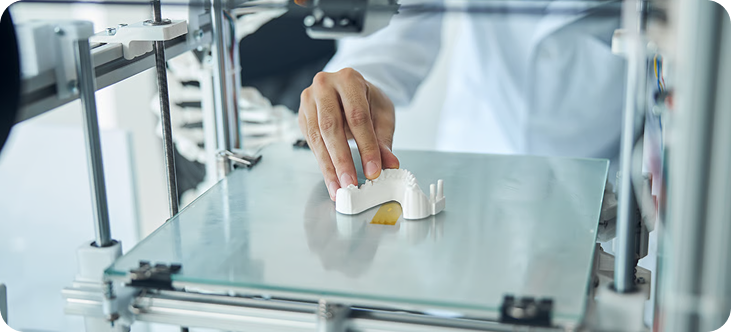
3D bioprinters operate on a layer-by-layer manufacturing logic similar to classic 3D printers; however, instead of plastic or metal, they use a special material called "bioink," made up of living cells and extracellular matrix components. Guided by computer-aided design data, the bioink is deposited layer by layer through a precision print head to build three-dimensional tissue structures.
- Bioink preparation: Mixing cells taken from the patient or cultured in the lab with a supportive gel structure (hydrogel).
- Layered printing: Precise and repeatable printing processes suited to the targeted tissue architecture.
- Maturation: The printed structure becoming functional while preserving its viability inside a bioreactor environment.
The balance between print resolution and speed is one of the technology's most important engineering parameters. Higher resolution allows for more precise, cell-level structures but can extend printing time, which poses a risk to cell viability during the printing process. Researchers are working to optimize this balance by developing different print-head designs and bioink formulations.
Potential in Tissue Engineering
So far, researchers have achieved promising results in relatively less complex tissues such as skin, cartilage and simple vascular structures. Printing multi-layered, densely vascularized organs such as the liver, kidney or heart, however, remains a target that carries significant scientific and engineering challenges. Building the micro-vascular networks needed to properly nourish cells stands out as one of the most critical research questions in the field.
The long-term viability of printed tissue structures is a separate area of research in its own right. It is not enough for a tissue to simply be printed with anatomical accuracy; the cells must be able to proliferate over time, produce their own extracellular matrix, and integrate with the host organism in an immunologically compatible way. For this reason, joint work across biomaterials science, cell biology and engineering disciplines plays a decisive role in advancing the field.
Possible Impact on Organ Transplant Waiting Times
Organ transplant waiting lists worldwide reflect a reality in which demand far outstrips supply. The ultimate vision of bioprinting technology is to reduce this imbalance by producing tissues or organs from a patient's own cells that carry a lower risk of rejection. As of today, however, this vision has not yet moved into clinical practice; it remains an experimental goal that requires long-term research and regulatory approval processes to establish safety and efficacy.
In the short and medium term, the field's more realistic contribution is seen in more limited applications — tissue patches, cartilage grafts or drug-testing platforms — rather than full organs. Bioprinted tissue models, for example, have already begun to be used in research labs to evaluate the effect of new drug candidates on human tissue at an earlier stage than animal testing allows. These kinds of intermediate use cases give a concrete picture of how far the technology has come on its path toward clinical maturity.
Current Stage of Research
Academic centers and biotech companies active in the field are mostly testing tissue functionality using animal models and laboratory settings. Regulatory authorities are in the process of developing new frameworks to assess the safety of bioprinted tissue and organ products. For organizations operating in the medical device and health technology industry, this means the field should be followed less as a near-term commercial product category and more as a long-term R&D and collaboration opportunity.
Sector investment and academic-industrial collaboration are accelerating the development of supporting technologies such as bioprinting equipment, bioink formulations and tissue-maturation systems. In Türkiye too, biomedical engineering departments and research hospitals within universities are closely following the international literature and conducting experimental work in this field. For medical device suppliers, these developments are creating a medium- to long-term collaboration opportunity in the supply of laboratory equipment and tissue-engineering infrastructure.
Medical technology procurement support is available — get in touch with our expert team.
Contact Us