In the past, healthcare meant little more than hospital visits and conventional treatment methods. Today, wearable and smart prosthetic systems are a rapidly evolving field of technology that is fundamentally improving the lives of people who have lost a limb. Sitting at the intersection of sensor technology, lightweight materials engineering and software science, this field has become one of the most dynamic topics in the medical device industry.
The Evolution of Wearable and Smart Prosthetic Systems
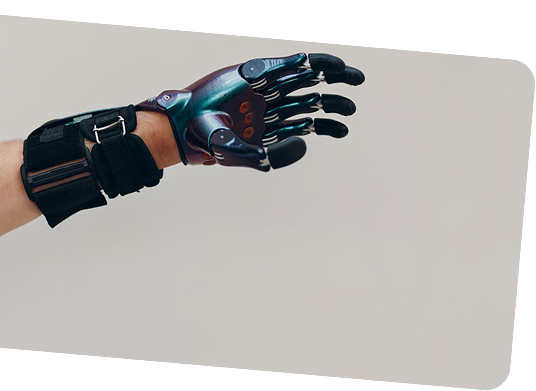
While classic mechanical prosthetics aimed for years to provide basic functionality, today's smart prosthetic systems can offer real-time motion sensing, adaptive grip strength and movement patterns tailored to the individual user. Carbon fiber and titanium alloys have made devices lighter, while embedded microprocessors and pressure sensors allow fine adjustments with every step or grasping motion.
Another important feature of these systems is their ability to collect usage data and adapt over time to the user's movement habits. Machine-learning-powered algorithms make it possible for a prosthetic to respond to walking speed, surface incline and even fatigue level.
Neural-Interface Technologies: Movement Through Thought
Without doubt, the most talked-about development in the field is neural-interface technology. Surface electromyography (EMG) sensors read electrical signals from muscle groups and translate them into prosthetic movement. At more advanced research stages, implantable interfaces that read nerve signals directly are being developed.
- Surface EMG control: Replicating multi-directional hand and arm movements using signals captured from muscle activity.
- Sensory feedback: Experimental systems that can convey the firmness or pressure of an object the prosthetic is holding back to the user.
- Adaptive learning: More accurate recognition of user-specific signal patterns over time.
These technologies have not yet matured across every stage of widespread clinical use; however, the pace of research and development points to the field becoming more accessible in the coming years. For implantable neural interfaces to become widespread in clinical settings, more extensive clinical data is needed on issues such as surgical risk, long-term biocompatibility and signal stability. For this reason, most manufacturers in the industry position non-invasive surface-sensor solutions as a more accessible alternative in the short and medium term, and are shaping their product roadmaps accordingly.
Impact on Daily Life
The most tangible contribution of smart prosthetics is that they let users carry out daily activities with less effort and greater independence. Actions such as climbing stairs, grips requiring fine motor skill, or long walks become a far more natural experience thanks to adaptive sensor technology. In addition, a modular design approach simplifies maintenance and part replacement, lowering the total cost of ownership.
The ability to synchronize smart prosthetics with mobile applications also significantly enriches the user experience. Through these apps, users can track device performance, monitor battery status and remotely receive software updates from the manufacturer. This transparency is considered an important factor that builds users' trust in their devices and makes daily use more predictable. Physiotherapy processes also benefit from this data flow: rehabilitation specialists can review prosthetic usage data to design exercise and adaptation programs tailored to each user.
Maintenance, Sustainability and the Economic Dimension
Alongside technical performance, economic accessibility plays a decisive role in the adoption of smart prosthetic systems. A modular design approach allows faulty parts to be repaired without replacing the entire device, reducing total cost of ownership. Manufacturers are working to bring these costs down to more sustainable levels by developing long-lasting components and standardized spare-parts supply chains. The extent to which insurance systems and public health policies support access to these technologies is also emerging as a critical factor determining the sector's future growth rate.
Trends in Türkiye and Around the World
Worldwide, the smart prosthetics market continues to grow through university-industry collaborations and government-backed R&D programs. Manufacturers in North America and Europe are focusing on neural-interface integration, while cost-effective production models are coming to the fore in the Asian market. In Türkiye too, both public- and private-sector-backed projects to develop domestic prosthetic technology have gained momentum; projects carried out in university biomechanics labs and technoparks show that local engineering capacity is maturing rapidly in this field. These developments are creating new collaboration opportunities across the medical device supply chain.
This momentum in the sector also carries strategic importance for medical device importers and distributors: access to quality products backed by proper certification processes creates value for both healthcare institutions and end users. In particular, the ability of prosthetic centers and rehabilitation clinics to safely and compliantly source next-generation devices forms a decisive link in bringing these technologies to broader segments of society.
Medical technology procurement support is available — get in touch with our expert team.
Contact Us